Shared-Use Paths
Concrete shared paths for cyclists, walkers and runners, constructed with consistent widths, smooth finishes and safe sight lines that suit council, park and commuter route requirements across Dunedin.
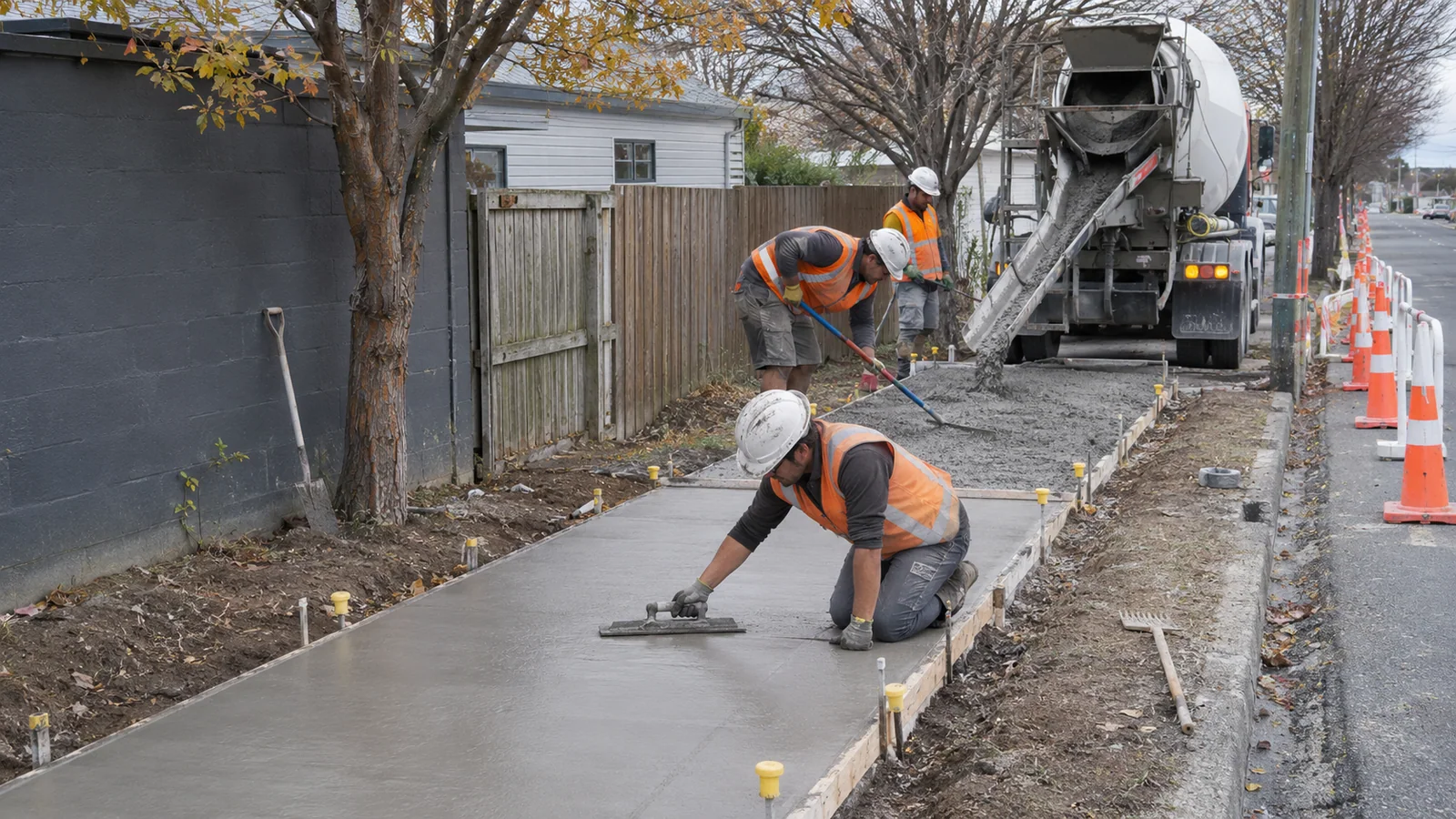
Smooth, durable concrete cycleways and shared paths with consistent grades and clean joints.
Concrete cycleways in Dunedin support safe, comfortable travel for commuters, students and recreational riders, and the city is investing in more cycling infrastructure across central areas and key routes. Concrete is a strong, low-maintenance material for shared paths and cycleways, but smooth surfaces, accurate levels and well-placed joints are essential for rider comfort. We construct cycleways for councils and developers, managing setout, subgrade preparation, formwork, concrete placement and finishing.
Drainage and surface texture matter in Dunedin's wet, frosty weather, so we build in correct falls and traction-friendly finishes. Our crews coordinate with traffic management, landscaping and civil teams, keeping works safe and efficient. We coordinate with landscape and civil teams, so the finished path integrates cleanly with its surroundings.
The result is a durable, smooth cycleway that connects neatly to roads and paths and serves the community for many years.
Concrete shared paths for cyclists, walkers and runners, constructed with consistent widths, smooth finishes and safe sight lines that suit council, park and commuter route requirements across Dunedin.
Durable, low-maintenance cycleways linking suburbs, schools and employment areas, built to handle regular use and weather without the surface breakdown and repair costs that affect lighter path materials.
Concrete paths for parks, reserves, waterfront areas and trails, with smooth, long-lasting surfaces that support families, riders and walkers through all seasons while keeping maintenance low.
Accurately set out bends, gradients and connections to roads and paths, helping riders maintain safe speeds and giving your cycleway a clean, professional and consistent alignment.
Correct crossfalls, drainage connections and tidy edges that keep water off the surface, reducing slip risk and protecting the path from erosion and gradual long-term deterioration.
Coordination of line marking, bollards, ramps and signage that improves visibility and guides users, creating a much safer cycleway for riders, pedestrians and nearby traffic.
Cycleways need smooth, consistent surfaces that keep riders safe and comfortable. We build concrete cycleways and shared paths for councils and developers, paying close attention to levels, widths, joints and curves. Concrete is long-lasting and low-maintenance, which matters for public infrastructure exposed to Dunedin's wet and frosty weather. Our crews coordinate with traffic management, landscaping and civil teams, so the finished path connects neatly to roads, footpaths and surroundings. We always stand behind every path we build. Accurate setout and tidy finishing deliver a ride that feels smooth and a path that serves the community for many years.
Get A Free Estimate
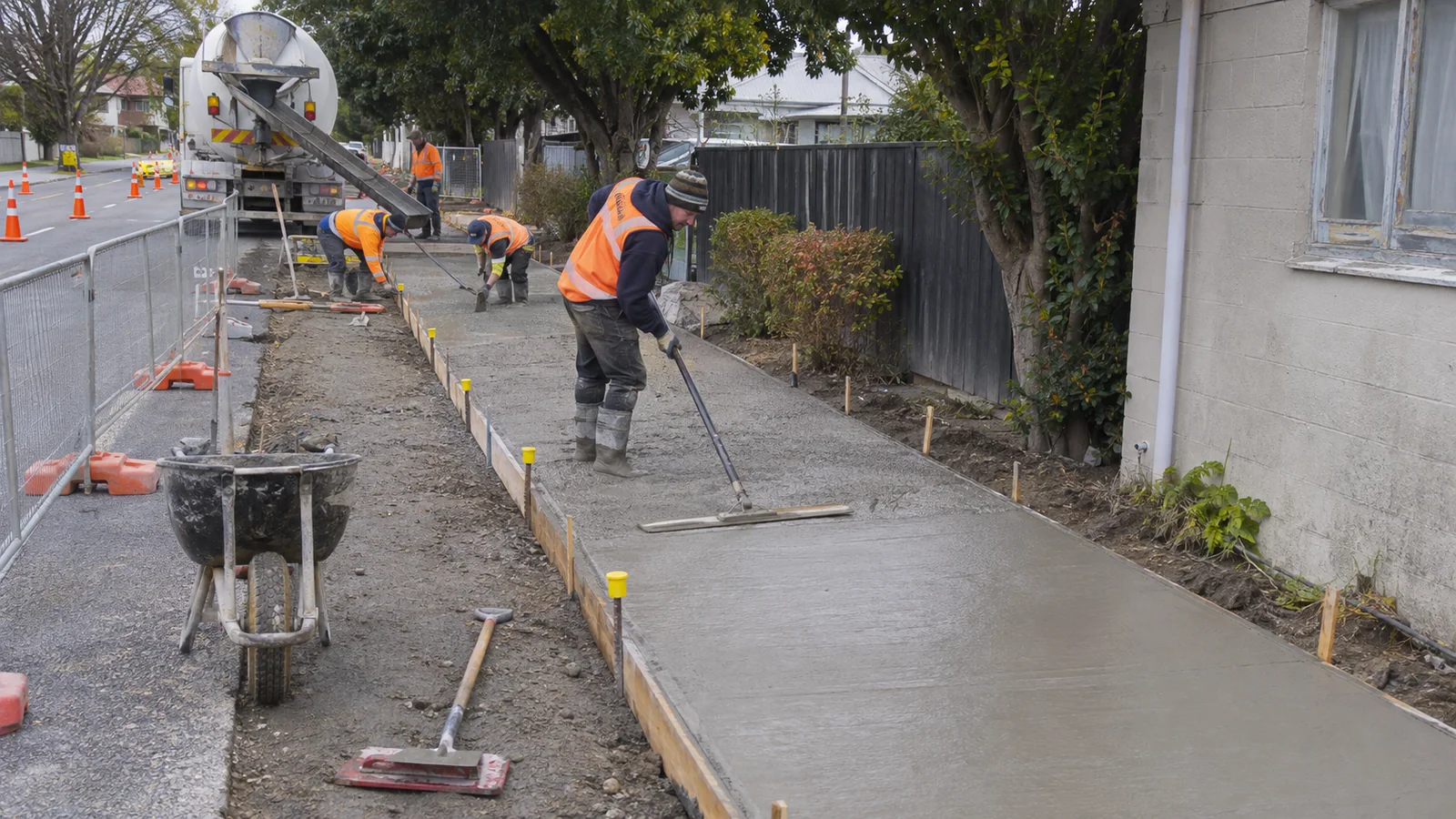
Long-lasting, low-maintenance concrete shared paths and cycleways with accurate alignment, smooth surfaces, safe curves and good drainage, built for comfortable, safe riding and many years of dependable, reliable community use.
Get A Free Cycleways EstimateSmooth finishes and carefully placed joints for a comfortable, safe ride.
Strong, low-maintenance concrete that stands up to weather and constant daily use.
Accurate levels, curves and widths that match design plans and drainage requirements.
A good cycleway should feel smooth, safe and predictable for every rider, which is largely a matter of design and finishing. Width, gradients and curves follow council and national guidance, and the concrete surface is finished and jointed to reduce vibration, noise and standing water. Because cycleways are public infrastructure, approvals, traffic management and coordination with landscaping and services are normally required. Sight lines and crossings are also checked against the drawings. This section outlines the typical dimension, concrete, finish and consent requirements for concrete cycleways and shared paths in Dunedin, so you can see what a well-built route involves.
Cycleway and shared path widths and gradients follow council and NZTA guidance, commonly 2.5 to 3 metres wide for shared paths, with grades and curves for safety.
Paths often use 25 megapascal concrete about 100 to 125 millimetres thick, with smooth broom finishes and carefully placed joints to reduce vibration, noise and puddling.
Public cycleways require council approval, traffic management, corridor access, and coordination with landscape and services, with sight lines, crossings and line marking checked against design drawings.
Helpful guidance for planning a durable concrete project in Dunedin.
Widths and gradients follow council and NZTA guidance. Shared paths are commonly 2.5 to 3 metres wide, with curves and grades designed for rider safety. The final width depends on expected use, whether pedestrians share the route, and the space available within the corridor or reserve for your particular route.
A smooth ride comes from consistent grades, a fine broom finish and carefully placed joints, which reduce vibration, noise and puddling. Paths often use 25 megapascal concrete about 100 to 125 millimetres thick. Accurate levels and clean joint edges matter more than anything else for rider comfort in practice overall.
Public cycleways typically need council approval, traffic management and corridor access, plus coordination with landscaping and underground services. Sight lines, crossings and line marking are checked against the design drawings. Requirements differ for private paths, so confirm what applies with the council or your project engineer early on as well.
Concrete holds its shape well, resists tree-root lifting better than thin surfaces when properly designed, and needs little routine maintenance. Clean, sealed joints and a broom finish give good grip. Whether it suits a particular route depends on budget, ground conditions, and the standard the owner or council requires too.
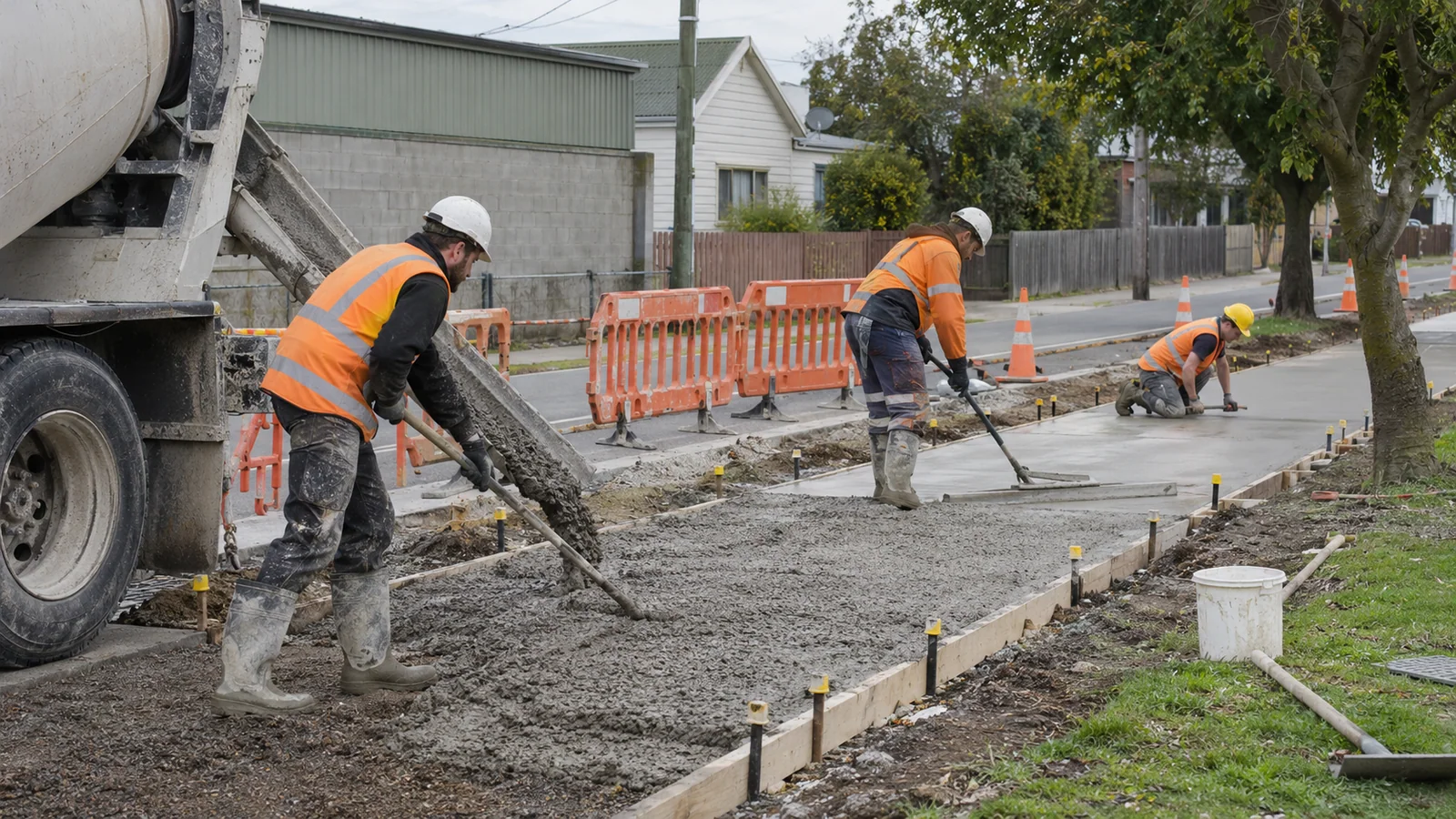
Tell us about your project and our local Dunedin team will come back with practical advice, clear pricing and a free, no-obligation quote, so you can move forward with confidence.
Get A Free Estimate