Freight and Container Hardstands
Concrete surfaces for trucks, trailers and stacked containers, designed around axle loads and turning movements so they resist rutting, cracking and edge failure under constant use.
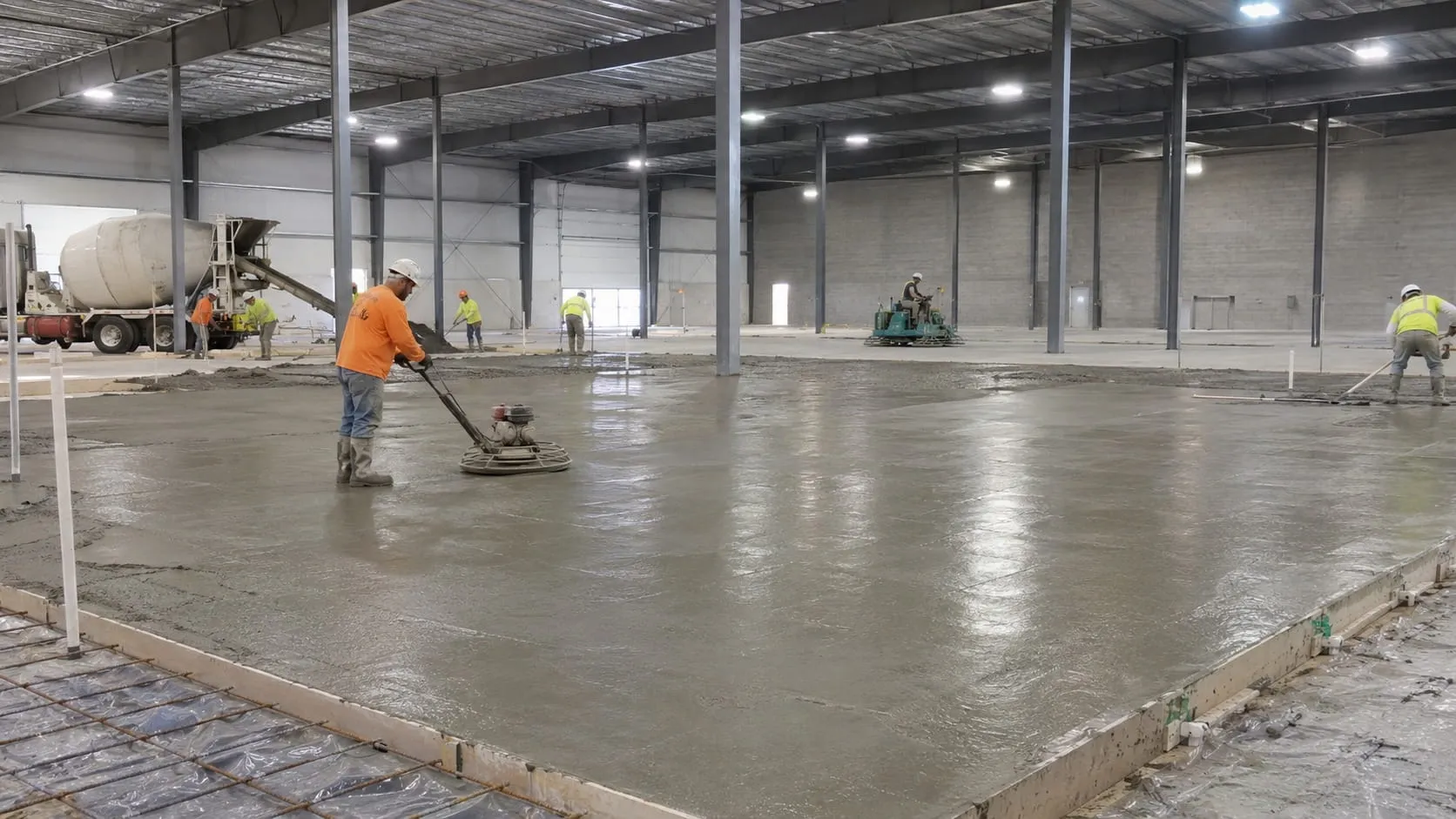
Durable concrete hardstands for heavy vehicles, machinery, container storage and outdoor work areas.
Concrete hardstands in Dunedin provide strong, long-lasting surfaces for trucks, containers, machinery and stored materials, and they are essential for depots, yards, factories and construction compounds. A good hardstand depends on the base as much as the concrete, so we focus on subgrade preparation, compaction, drainage and reinforcement before any concrete is placed.
Dunedin's wet winters and freezing temperatures can quickly damage poorly built surfaces, which is why falls, joints and surface finishes receive careful attention. We build hardstands to suit your axle loads, turning movements and storage patterns, working from your engineer's design and council requirements.
We also advise on jointing, edge details and surface treatments, helping you avoid common failures before they happen on your site. The result is a hard-wearing, low-maintenance surface that handles heavy traffic, resists rutting and keeps your yard operating efficiently through every season.
Concrete surfaces for trucks, trailers and stacked containers, designed around axle loads and turning movements so they resist rutting, cracking and edge failure under constant use.
Pavements for bus, truck and plant depots that handle oil, braking forces and daily traffic, keeping your fleet parked, serviced and moving without ongoing surface repairs.
Reinforced surfaces for cranes, excavators, machinery and stored materials, providing flat, stable working areas for construction compounds, quarries, timber yards and industrial sites across greater Otago.
Excavation, compaction and crushed rock bases built to engineered requirements, giving your hardstand a solid foundation that resists pumping, settlement and early failure in Dunedin's wet conditions.
Correct falls, grated drains and pits that move stormwater off the surface quickly, preventing ponding and ice, protecting the subgrade and meeting council requirements for site runoff.
Panel replacement, crack repair, joint resealing and new extensions that tie into existing hardstands, extending the life of your yard and keeping it operating during works.
A hardstand fails from the bottom up, so we focus on the base as much as the concrete. Our crews prepare, compact and test the subgrade, install reinforcement and set falls carefully, giving your yard the strength to handle trucks, containers and heavy plant. Dunedin's wet winters and frosty mornings expose poorly built surfaces quickly, which is why drainage, joints and finishes receive close attention. We keep you updated. We work from your engineer's design and council requirements, communicate clearly and get you operational quickly, so your yard is ready for demanding work year-round.
Get A Free Estimate
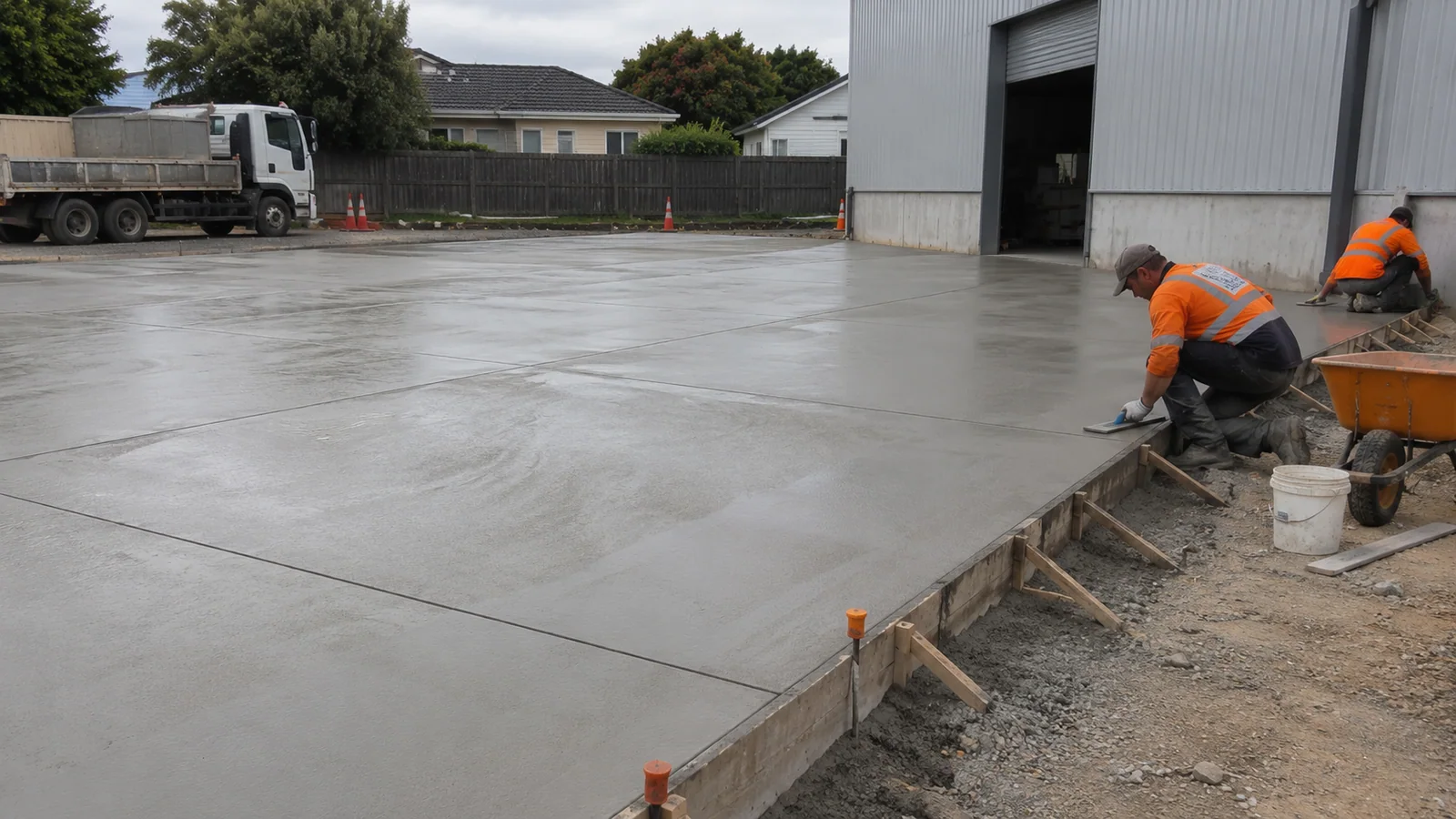
Strong, compacted bases, correct falls and tough concrete surfaces built for trucks, containers and plant, giving your yard reliable performance, lower maintenance and a fast, smooth return to full operation.
Get A Free Concrete Hardstands EstimateQuality base courses compacted and tested to suit your axle loads and traffic patterns.
Correct falls, drains and pits that prevent ponding, ice and subgrade damage.
Efficient crews and staged pours that get your yard back into operation quickly.
Hardstands take some of the heaviest punishment of any concrete surface, supporting trucks, containers, cranes and stacked equipment in all weather. A hardstand that is too thin, or built on a poorly prepared base, can crack, rut or break down quickly under repeated loading. In Dunedin, frost and wet conditions add further demands on the concrete and the drainage around it. Because hardstands are also surfaces where fuel, oils and runoff may need managing, council rules can apply. The requirements below cover typical thickness, mix, frost resistance and consent considerations for concrete hardstands, giving you a clear picture before work begins.
Hardstands are typically 200 to 300 millimetres thick over a compacted basecourse, with thickness set by axle loads, container stacking and turning movements in your engineer's pavement design.
Exposed hardstands often use 32 megapascal or higher concrete, and air entrainment may be specified for freeze-thaw exposure, helping surfaces resist frost, de-icing and abrasion.
Hardstands may need resource consent under Dunedin's district plan for earthworks and stormwater, with council requirements for runoff, discharge and contaminant control, especially around fuel storage.
Helpful guidance for planning a durable concrete project in Dunedin.
Hardstands are typically 200 to 300 millimetres thick over a compacted basecourse. Your engineer's pavement design sets the final thickness using axle loads, container stacking and turning movements. Heavier traffic and concentrated loads usually require a thicker slab and stronger reinforcement, so share expected vehicles and equipment with your designer.
Exposed hardstands often use 32 megapascal or higher concrete, and air entrainment may be specified for freeze-thaw exposure. This helps the surface resist frost, de-icing and abrasion. Good drainage around the slab also reduces standing water, which is a key factor in winter damage to exposed concrete surfaces over time.
It may. Hardstands can need resource consent under Dunedin's district plan for earthworks and stormwater, and the council has requirements for runoff, discharge and contaminant control. This matters most around fuel storage, so checking early with the council saves time later, and avoids redesign, delay and extra cost during construction.
A thin slab or poorly prepared base can crack, rut or break down quickly under repeated loading. A compacted basecourse spreads loads evenly and supports the concrete. Because hardstands carry trucks, containers and cranes in all weather, the base is as important as the concrete sitting on top of it.
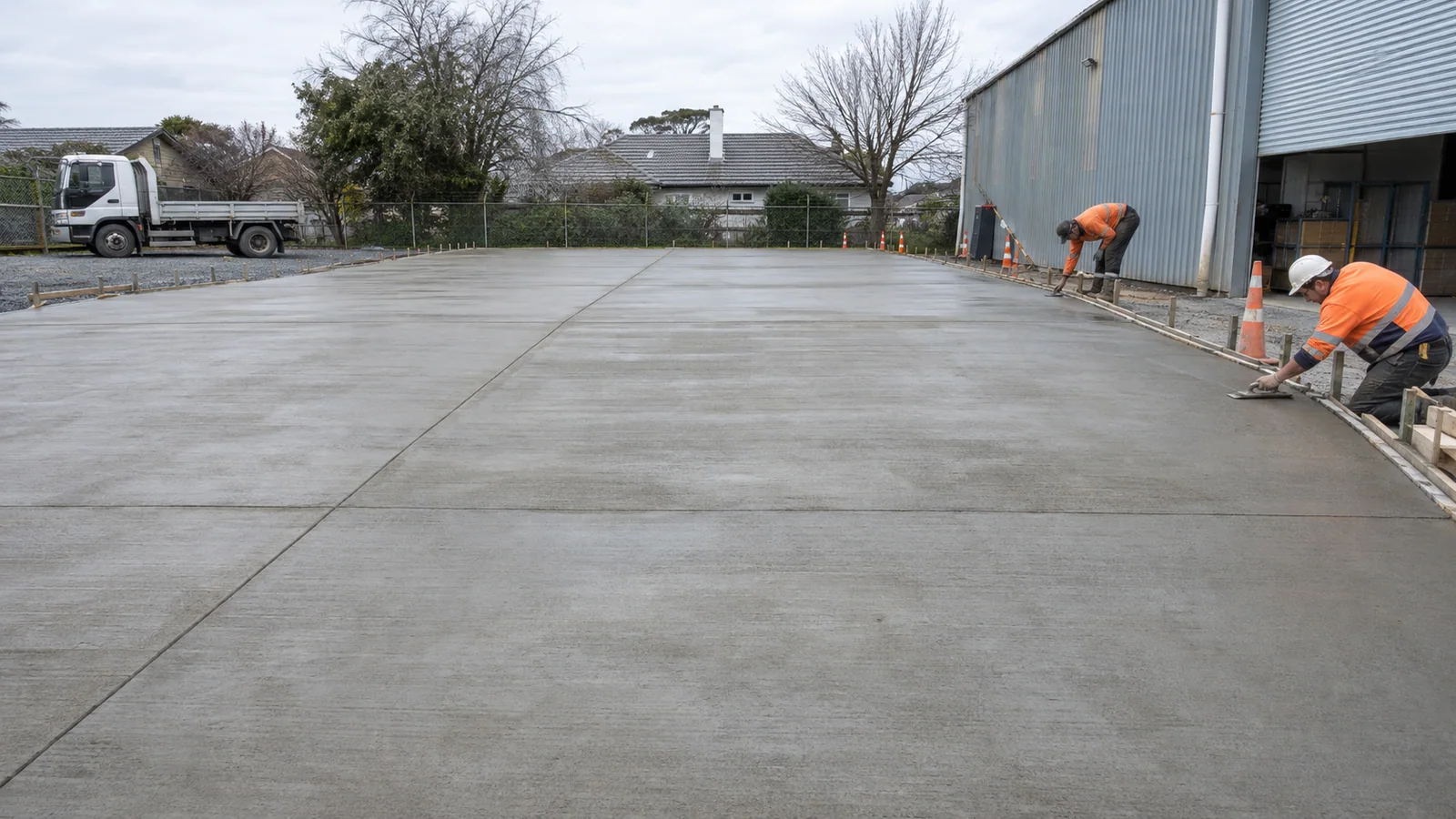
Tell us about your project and our local Dunedin team will come back with practical advice, clear pricing and a free, no-obligation quote, so you can move forward with confidence.
Get A Free Estimate